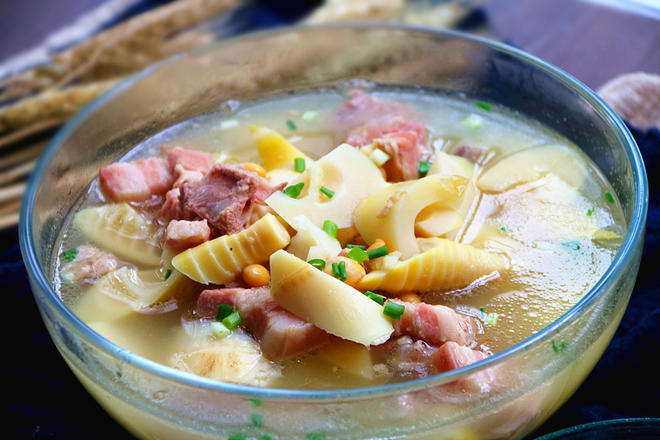
Shanghai Yan Du Xian is a classic Shanghainese soup slow-cooked with fresh bamboo shoots, fresh pork, and cured pork. The broth is milky and rich, the meat is tender and succulent, and the bamboo shoots are crisp and packed with fresh umami flavor.
Here is a natural, accurate English translation tailored for a food website, preserving cultural expressions and culinary details:
From a simple rural dish, it gradually absorbed culinary traits such as the salty freshness of Ningbo cuisine and the delicacy of Suzhou cuisine, eventually forming its classic “four essentials” combination: ham, cured pork, fresh pork, and spring bamboo shoots. Cooking utensils also became more refined. A clay pot or heavy-bottomed pot is recommended for simmering, as they retain heat well and distribute heat evenly, ideal for slow, gentle stewing. The addition of auxiliary ingredients such as tofu knots and asparagus lettuce further enriched its layers of texture.
In the longtang (alleyways) of Shanghai, preparing Yan Du Xian has become a kind of family ritual. Every year around the Qingming Festival when fresh spring bamboo shoots arrive, the unique, rich aroma drifts from kitchens in every household. The process of slow simmering over gentle heat not only blends flavors but also symbolizes a gentle and patient attitude toward life. This dish emphasizes “letting the original ingredients shine with minimal seasoning”. The saltiness of the cured pork alone balances the overall savory taste, so extra salt is usually unnecessary.
The finished soup features a milky white broth, tender and rich meat, and crisp, fragrant bamboo shoots. Its incredible umami flavor is so famously delicious that locals jokingly praise it with a popular saying: “It’s so fresh that even your eyebrows will fall off.”
Ingredients:
- Pork ribs: 500g
- Cured pork: 500g
- Spring bamboo shoots: 7–8
- Salt: to taste
- Chopped scallions: to taste
- Ginger: to taste
- Yellow rice wine: to taste
Recipe for Yanduxian, a classic dish loved by every family in Shanghai
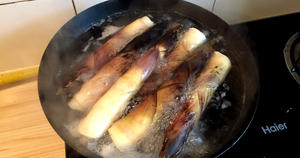
- Boil the unpeeled spring bamboo shoots in water for about 10 minutes until cooked.
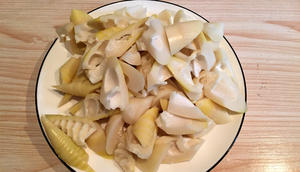
2.Let them cool, peel off the shells, and cut into irregular rolling pieces or diagonal strips.
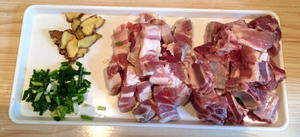
3.Prepare the pork ribs, cured pork, ginger slices and scallions. Blanch the ribs and cured pork separately in boiling water, then remove and set aside.
4.Fill a clay pot with water and bring to a boil. Add ginger slices, yellow rice wine, cured pork and ribs. Once boiling again, turn to medium-low heat and simmer uncovered for 1.5 hours. For a clear, light broth, skim off all the oil from the surface during this time.
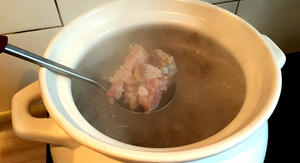
5.Add the bamboo shoots and continue simmering uncovered for 1 hour. Add boiling water if the liquid evaporates too much.
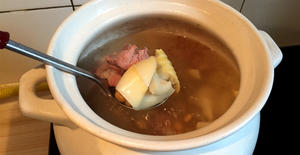
6.Taste for saltiness before turning off the heat and add salt if needed. Be sure to add chopped scallions — they will greatly enhance the flavor of the dish.
Introduction to Casserole (Sha Guo)
If you’ve ever had Chinese home-style cooking, you might have seen a thick, heavy pot with a lid—this is a casserole (Sha Guo) in Chinese. It’s one of the most traditional and popular cooking tools in Chinese kitchens, and it’s easy to understand once you know its key points.
First, let’s talk about its material. Most Chinese casseroles are made of clay or ceramic. They are thick-walled, which is different from the thin pots you might use for boiling water or frying. The thick walls are the secret to its magic—it keeps heat very well, just like a slow cooker but with a more natural, earthy taste.
What makes it special? Unlike metal pots that heat up fast and cool down fast, a casserole heats up slowly and evenly. This slow, gentle heating is perfect for cooking foods that need to be tender and flavorful. For example, braised meat (like pork or beef), stewed vegetables, or even soups. When you cook in a casserole, the food soaks up all the seasonings, and the meat becomes so soft that it falls off the bone easily.
Another thing to note: it’s used both on the stove and on the table. You can cook the food directly in the casserole on the gas or electric stove, then bring the whole pot to the table to serve. It keeps the food warm for a long time—so you can enjoy hot, delicious food even if you eat slowly.
You might confuse it with a Dutch oven, and they are similar! But Chinese casseroles are usually simpler (no heavy metal handles) and made of natural clay, which gives the food a slight earthy flavor that metal pots can’t bring. It’s also more affordable and common in every Chinese family, just like a frying pan in Western kitchens.
In short, a Chinese casserole is a thick, clay pot that cooks food slowly and evenly, keeps it warm, and adds a special flavor to home-style dishes. It’s not complicated at all—just a simple tool that makes Chinese food taste more authentic!